Announcing the Winners of the PCRBIO Research Grants 2025!
We are thrilled to officially announce the winners of the PCRBIO USA and UK Research Grants, which provide funding for PCR reagents to life science researchers located in the US and UK.
This year, we received an exceptionally high number of strong applications from researchers across both countries. After carefully reviewing every submission, we are proud to support 11 outstanding scientists whose work spans agriculture, cancer research, infectious disease diagnostics, environmental microbiology, and beyond.
These grants are designed to empower innovative early-stage research by providing funding and PCR reagents to accelerate discovery and real-world impact. Our two main winners received £/$6,000 in support, while our runners-up received £/$1,000 to support their research.
Meet our US winners
Main Grant Winner
- Benoit Mermaz – Yale University
Benoit is engineering citrus plants resistant to citrus greening disease using gene editing. With citrus crops worldwide under threat, this work could dramatically improve yields and deliver major economic benefits for global agriculture.

Benoit Mermaz – Yale University

Deniz Altunsu – University of Rochester

Sylvester Yirenkyi – Southern Illinois University

Andressa Monteiro Venturini – American University
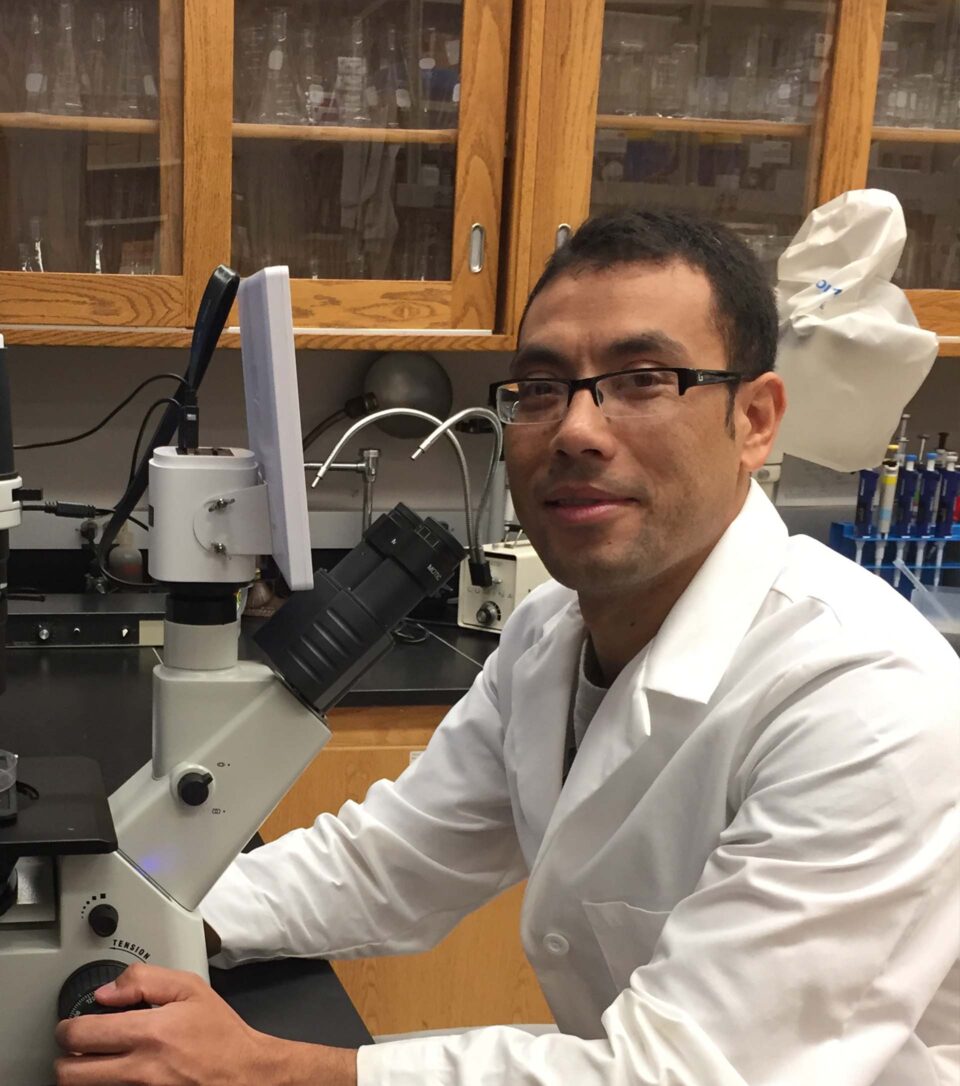
Bisho Lawaju – Auburn University

Zih-Shuo Wang – Ohio State University
Runner-Up Awardees
- Deniz Altunsu – University of Rochester
Deniz is working to improve early detection of psychosis through blood-derived extracellular vesicle markers, supporting faster and more accurate diagnosis before major functional decline. - Sylvester Yirenkyi – Southern Illinois University
Sylvester is studying key mechanisms involved in embryo implantation and pregnancy, exploring how SERTM2 influences decidualization through membrane potential and potassium channel activity. - Andressa Monteiro Venturini – American University
Andressa is investigating how polyethylene microplastics reshape urban soil microbiomes, and how environmental conditions affect microbial function, pathogen emergence, and antibiotic resistance gene proliferation. - Bisho Lawaju – Auburn University
Bisho is developing DNA-based molecular tools for identifying plant-parasitic nematodes, helping to improve detection of emerging crop threats and enabling more sustainable agricultural management. - Zih-Shou Wang – The Ohio State University
Zih-Shou is exploring the role of the intratumoral microbiome in colorectal cancer, aiming to develop microbial biomarker panels to better predict chemotherapy outcomes.
Meet our UK winners
Main Winner
- Luke Haddock – University of Warwick
Luke is developing a high-throughput multiplex diagnostic test for respiratory pathogens linked to inflammatory bowel disease. His work aims to deliver a scalable, cost-effective model capable of rapid winter virus discrimination in a single reaction.

Luke Haddock – University of Warwick

Aralolaoluwa Ogunrin – Swansea University
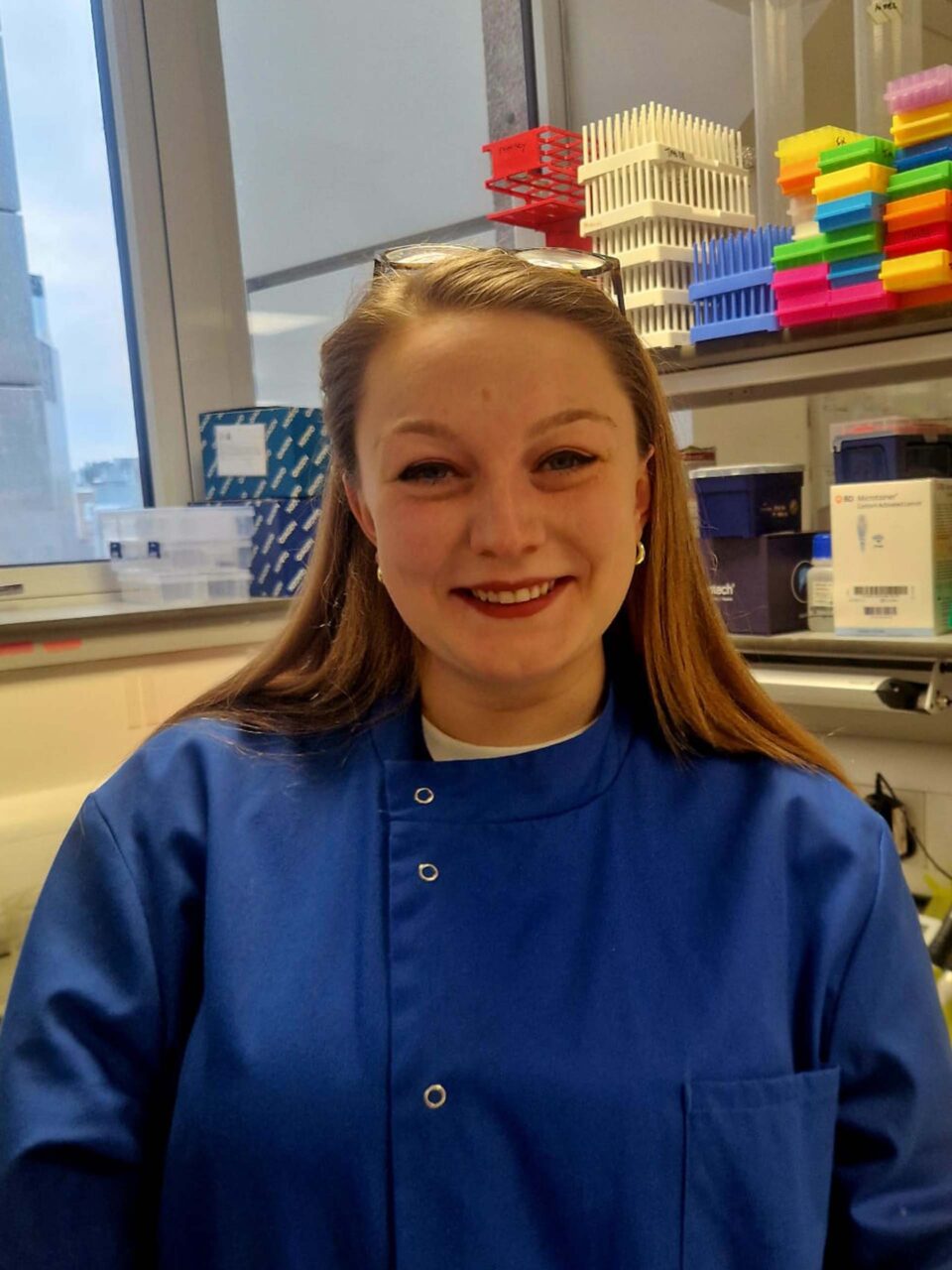
Charlotte Willoughby – Edinburgh University

Aidan Taylor – University of Reading

Sophia D’Alessandro – Imperial College London
UK Grant Awardees
- Aralolaoluwa Ogunrin – Swansea University
Aralolaoluwa is studying the role of E. coli in bacterial sepsis, developing a diagnostic Y-gene multiplex PCR panel using easily collected urine samples to complement current sepsis care bundles. - Charlotte Willoughby – Edinburgh University
Charlotte is tackling the urgent challenge of “invisible malaria” by evaluating molecular diagnostic accuracy to strengthen malaria control programmes in Uganda and beyond. - Aidan Taylor – University of Reading
Aidan is developing an improved qPCR screening approach to detect Shiga toxin-producing E. coli variants in UK river water, supporting evidence-based environmental risk management. - Sophia D’Alessandro – Imperial College London
Sophia is working with the Human Milk Foundation to better understand how breastfeeding reduces breast cancer risk, with the potential to strengthen prevention strategies and deliver important societal impact.
Supporting the Next Generation of Research
We are incredibly proud to support these researchers and their inspiring projects. Their work represents the future of innovation across human health, sustainability, agriculture, and diagnostics. We wish to thank all applicants for their interest in our PCRBIO Research Grants. We also wish to thank our judges, for their time and effort, which makes this research grant possible. As part of our commitment to supporting researchers, we will also provide help and technical support for any PCR-related queries pertaining to our reagents.